Research at Washington State University affects the very rhythm of our days.
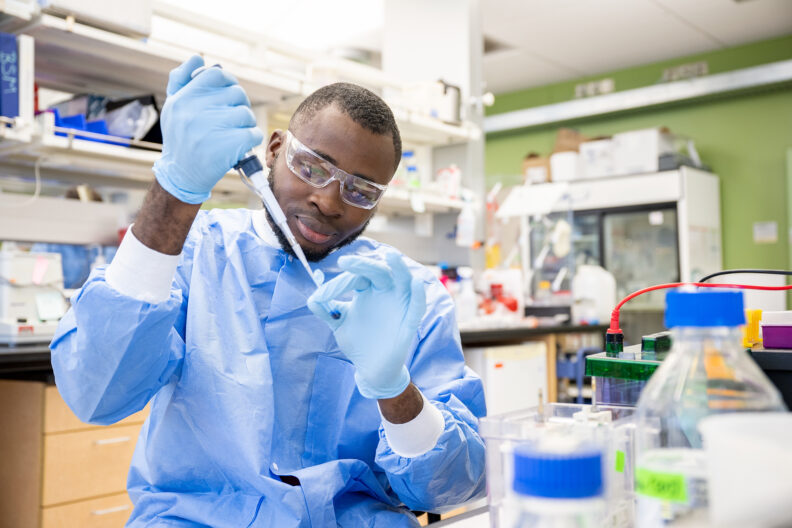
WSU research and scholarship makes our sleep better, it makes the food we eat healthier, our water cleaner, the wine we drink more delicious. It improves our homes and our health.
WSU has been making lives better for people in Washington and around the world since it was founded in 1890.
“We’re very much oriented toward benefiting the public,” notes Christopher Keane, vice president for research at WSU. But sometimes, “people don’t understand the importance of research to improving their lives.”
We’re very much oriented toward benefiting the public
Christopher Keane
WSU’s work over the years in sustainable building products is visible in many of our homes
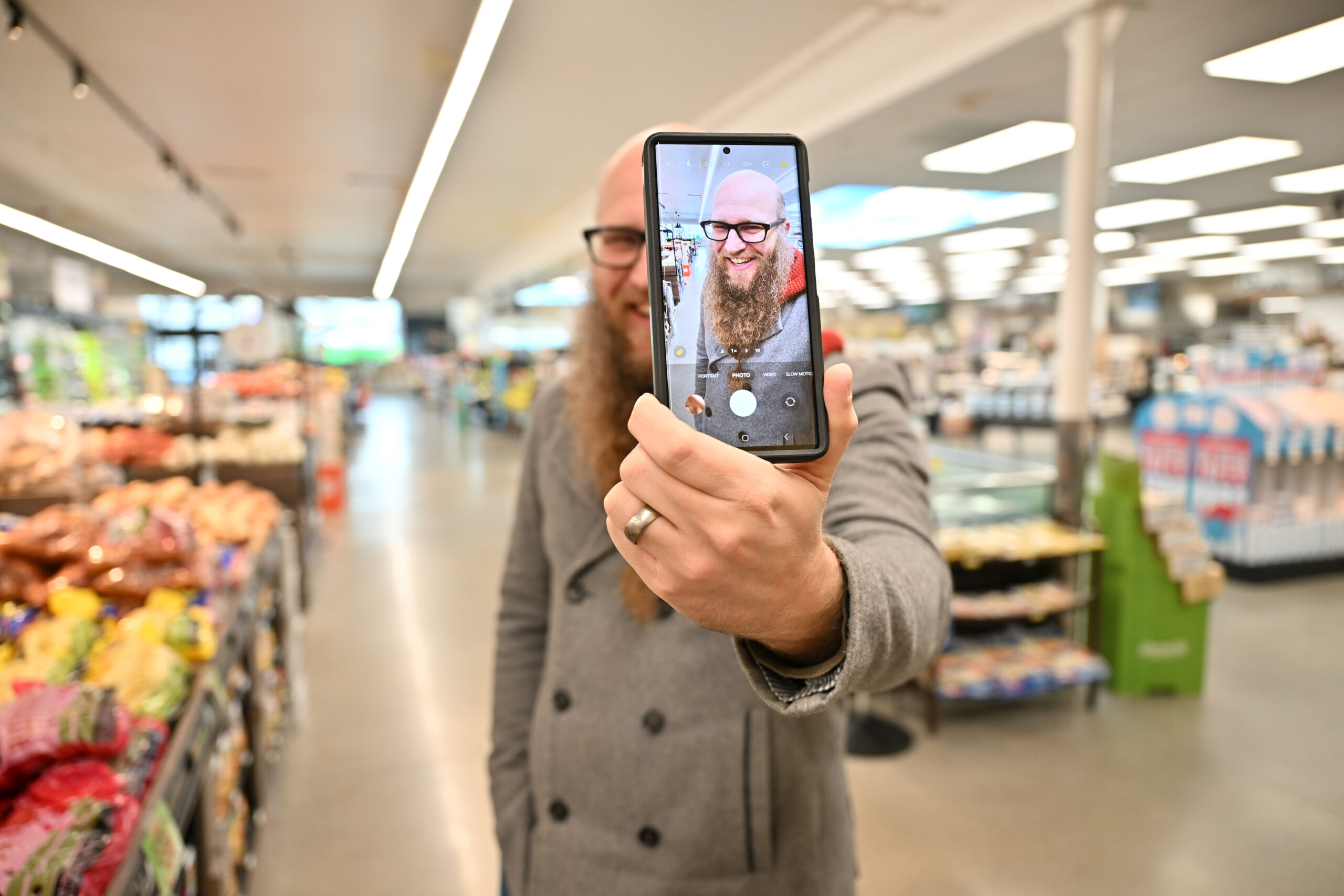
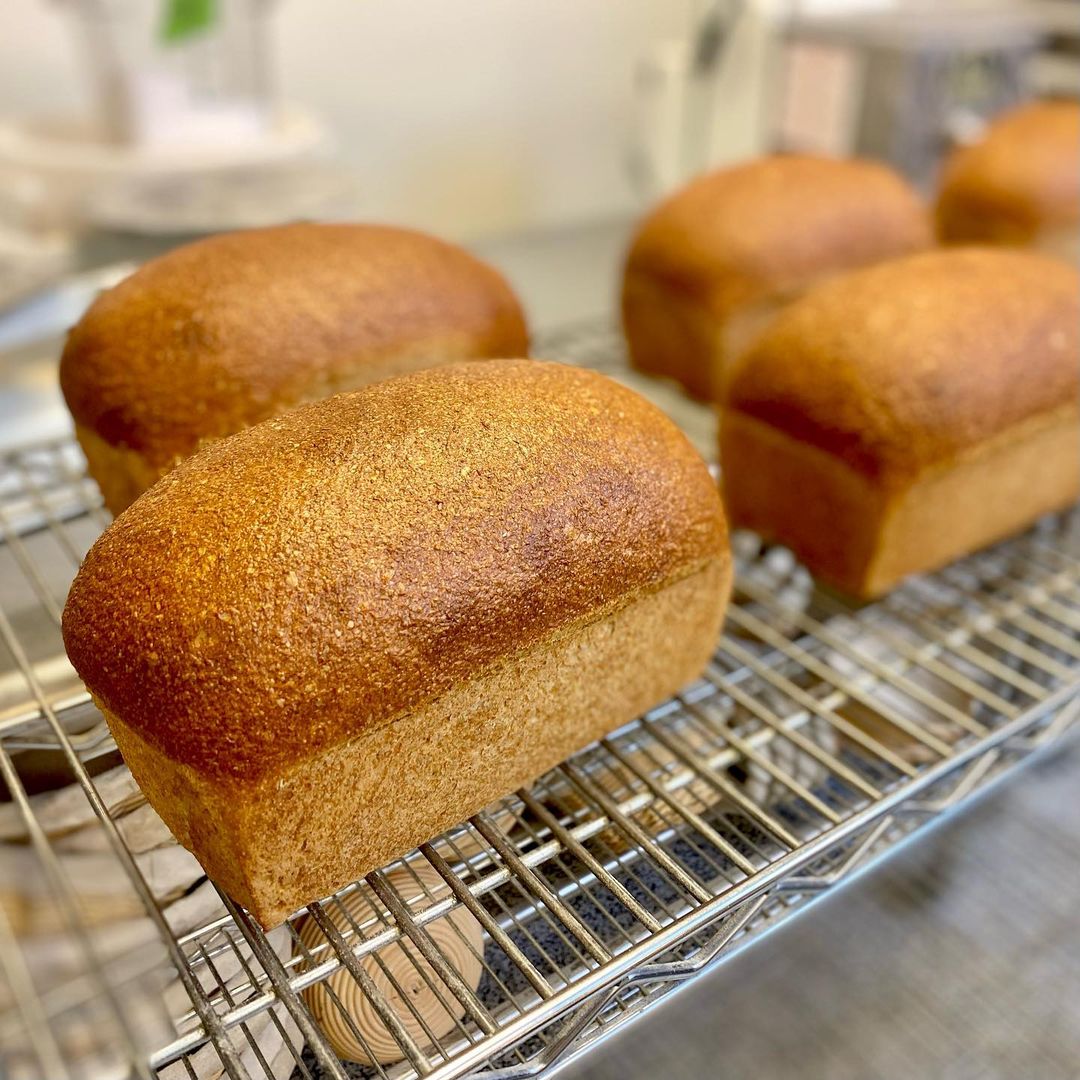
For instance, WSU has worked with the state’s farmers and orchardists for generations to develop new crop varieties. Much of that research has supported growers by making crops hardier or more pest-resistant. But WSU scientists are also making crops more nutritious and flavorful, and researching new products to appeal to grocery shoppers. They’re helping small farmers get started and improving access to fresh foods, all with the aim of making healthy food more available and affordable.
Or, take sleep. We all know we need it, and many of us don’t get enough of it. WSU’s Sleep and Performance Research Center is working on the genetic and environmental causes of sleep disturbance. Along with that, however, researchers have identified how sleep patterns affect nurses, law enforcement and military members who routinely work long hours or night shifts. WSU has devised strategies to help them on and off the job, making life safer for the people who keep us safe.
WSU’s work over the years in sustainable building products is visible in many of our homes. The durable, low-upkeep composite decking that so many people are using now? About 40% of the products on the market came from formulations developed at WSU.
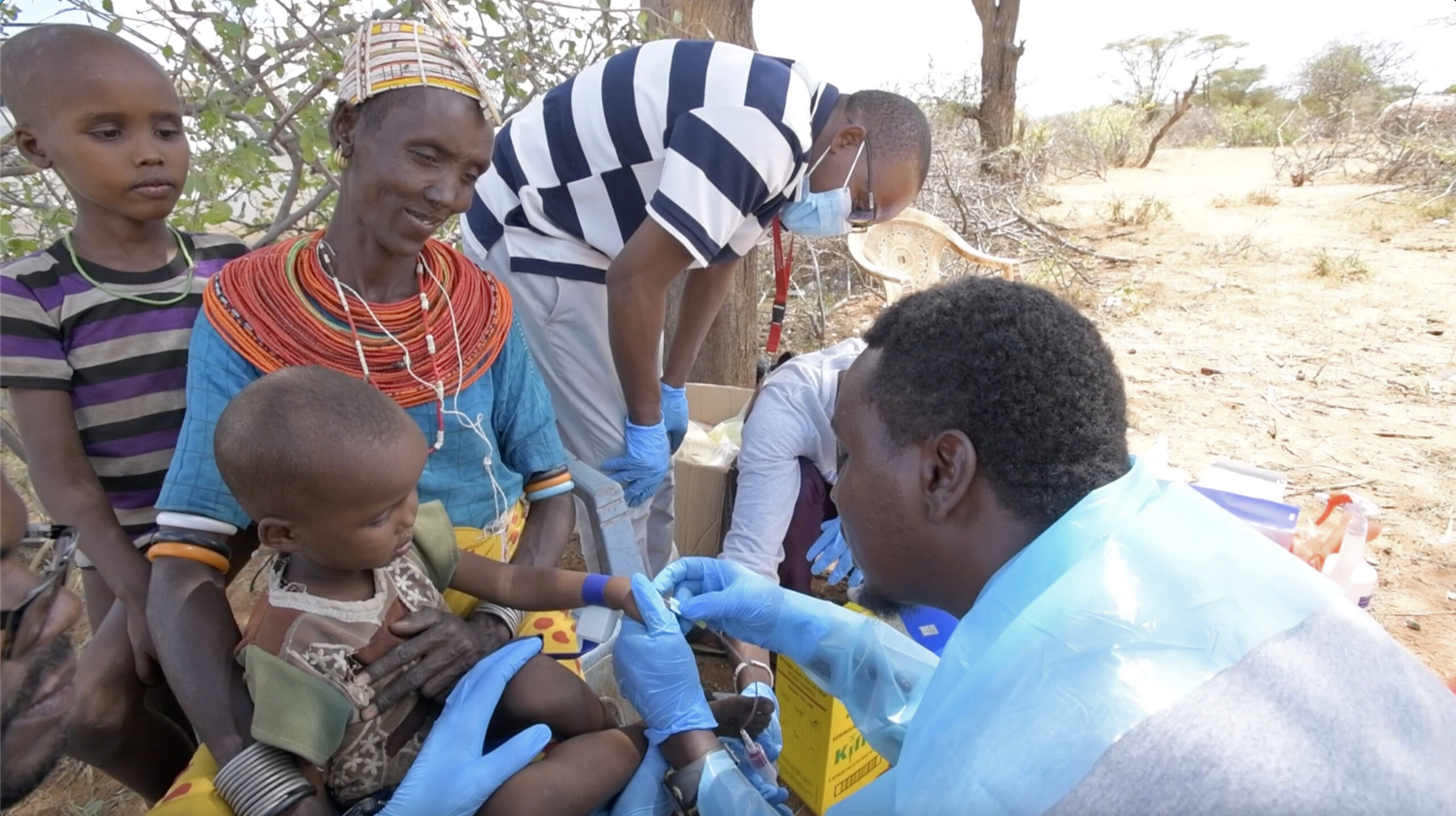
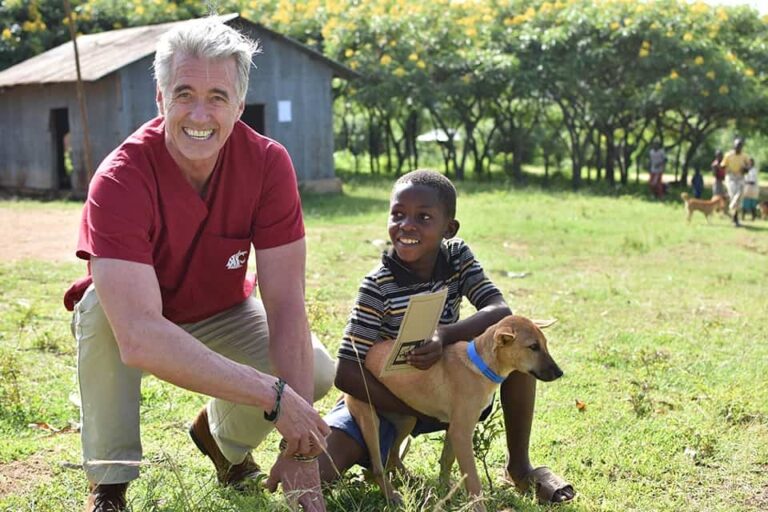
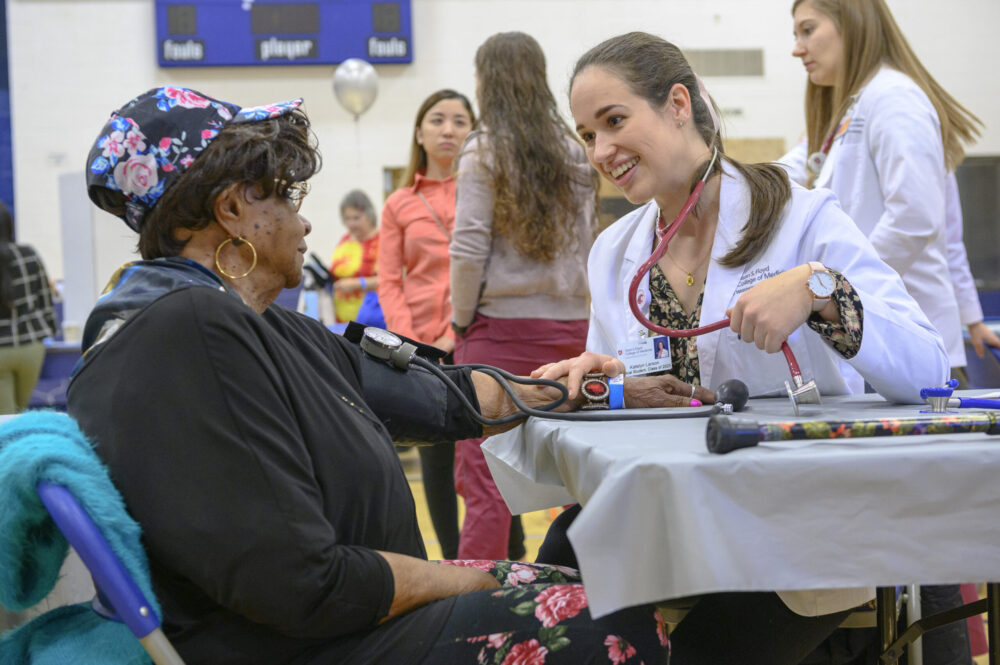
When it comes to health, think of the pandemic: WSU health sciences faculty and students fanned out across the state to test and vaccinate. But that was just the most recent expression of the university’s longtime focus on improving health care and health equity for rural and underserved populations. The colleges of medicine, nursing and pharmacy all have programs to encourage graduates to practice in small towns that typically struggle to attract healthcare professionals. WSU Health Sciences has deep connections with the state’s indigenous populations.
“All science struggles to communicate its influence,” said Keane, WSU’s vice president of research. “That’s especially hard when a large public university has high-impact research in so many areas,” as WSU does. “But it’s important that people understand the work we do leads to better outcomes across all aspects of their lives.”
Better health, better sleep, better food – a better life, thanks to WSU.
At Washington State University, more than 60 departments are active in climate-related research, work that in many cases has been under way for decades.
Chris Clarke uses TikTok to learn – and to teach. Explaining economics on TikTok has made Washington State University Assistant Professor Chris Clarke a bit famous.
A ball hurtles toward home plate. A batter swings. Contact. These are rituals of the ballpark. But to Professor Lloyd Smith and the researchers at Washington State University’s Sports Science Laboratory, they’re also matters of science.
Together with U.S. and international partners, WSU scientists identify, track and work to control emerging infectious diseases, and find new approaches to combat old diseases.
Enough cheese to satisfy loyal Cougs across the country. And enough to feed growing national acclaim for the sharp white cheddar in the iconic yellow-and-white can.
With community health at the forefront, the Elson S. Floyd College of Medicine, the College of Nursing and the College of Pharmacy and Pharmaceutical Sciences are committed to improving the lives of the individuals, families and communities of Washington.
CLEAR is just one of the many community-based programs offered by Washington State University Extension, an essential arm of the university that fulfills an historic mission to serve all of the state’s residents.
Research at Washington State University affects the very rhythm of our days. WSU research and scholarship makes our sleep better, it makes the food we eat healthier, our water cleaner, the wine we drink more delicious. It improves our homes and our health.
WSU researchers in eight programs among three colleges on two campuses are exploring energy sources, testing, supply-chain logistics and policy in the quest for sustainable air transportation.